
Technical
Is barium sulphate toxic? Safety facts for barite users
Barium sulphate and soluble barium compounds behave very differently in the body. Here is what the health agencies say, and what to check on a safety data sheet.


Quick answer
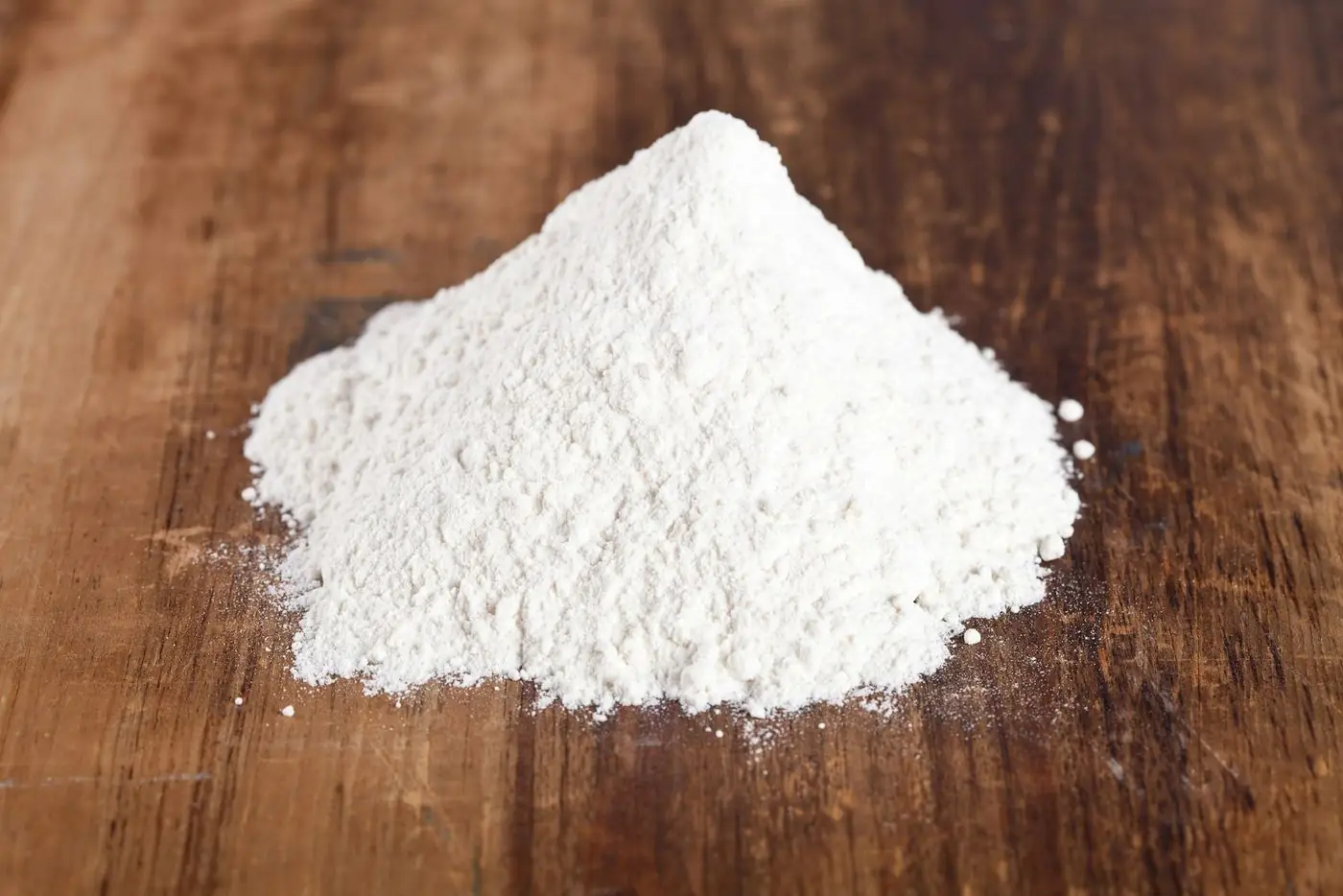
Barium sulphate is not generally harmful because it barely dissolves in water. The health risks linked to barium come from soluble compounds such as barium chloride or barium carbonate.1 Barite dust is still regulated as a nuisance dust, and the main hazard on many barite safety data sheets is crystalline silica from other minerals in the ore.
Why solubility is the key
The US Agency for Toxic Substances and Disease Registry (ATSDR) explains that barium compounds which do not dissolve well in water, such as barium sulphate, are not generally harmful. Compounds that dissolve in water, which release barium ions into the body, are the ones that can cause health effects.1
The clearest example is medicine. Barium sulphate suspensions are approved drugs, swallowed by patients as a contrast agent for X-ray and CT scans of the digestive tract.2 These are pharmaceutical products made to strict drug standards. Industrial barite is not made for medical use and must never be used that way.
Exposure limits for barite dust
Barite powder is a dust, and breathing large amounts of any dust over time is harmful. Occupational limits for barium sulphate dust are set by US agencies:
| Organisation | Limit (8-hour average) |
|---|---|
| OSHA permissible exposure limit | 15 mg/m³ total dust, 5 mg/m³ respirable fraction3 |
| NIOSH recommended exposure limit | 10 mg/m³ total dust, 5 mg/m³ respirable fraction4 |
| ACGIH threshold limit value | 5 mg/m³ inhalable fraction5 |
NIOSH notes that long-term inhalation of barium sulphate dust can cause baritosis, a benign pneumoconiosis.4 It shows up on chest X-rays because barium is dense, but it is classed as benign. Good dust control, local extraction and suitable respirators keep exposure below the limits.
The real hazard: crystalline silica
Natural barite ore often contains quartz. Respirable crystalline silica is classified by the International Agency for Research on Cancer as carcinogenic to humans (Group 1).6 Because of this, the hazard label on a barite product usually depends on its quartz content, not on the barium sulphate.
For example, one US supplier's 2023 safety data sheet for barite lists 1% to 5% quartz and classifies the product as a category 1A carcinogen by inhalation.7 A barite with very low silica avoids most of that concern.
The typical raw material from our mines contains 0.02% SiO2 in total. Low silica also makes the powder non-abrasive, which matters for paints, coatings and processing equipment.
What to check on a safety data sheet
- The quartz or crystalline silica content, and the hazard classification it leads to
- Which exposure limits the supplier lists for your country
- The recommended dust controls and personal protective equipment
- That the document matches the exact grade you are buying
Frequently asked questions
Is barium sulphate toxic?
Barium sulphate is not generally harmful, according to ATSDR, because it barely dissolves in water. Soluble barium compounds are the ones that cause health effects. Barite dust should still be kept below occupational exposure limits.
Is barite dust dangerous to breathe?
Like any mineral dust, it should be controlled. Long-term exposure can cause baritosis, a benign lung condition. The bigger risk in many barite products is crystalline silica, which depends on the ore.
Can industrial barite be used for medical imaging?
No. Medical barium sulphate is a regulated pharmaceutical product. Industrial barite is not made to drug standards.
Sources
- Agency for Toxic Substances and Disease Registry (ATSDR), ToxFAQs for Barium, 2020. cdc.gov
- U.S. Food and Drug Administration, prescribing information for barium sulfate products, 2017. fda.gov
- Occupational Safety and Health Administration (OSHA), Occupational Chemical Database: Barium sulfate. osha.gov
- NIOSH Pocket Guide to Chemical Hazards: Barium sulfate. cdc.gov
- ACGIH, Barium sulfate. acgih.org
- International Agency for Research on Cancer, Agents classified by the IARC Monographs. iarc.who.int
- CIMBAR Resources, Barite safety data sheet, 2023. cimbarresources.com
Want the data for a specific grade?
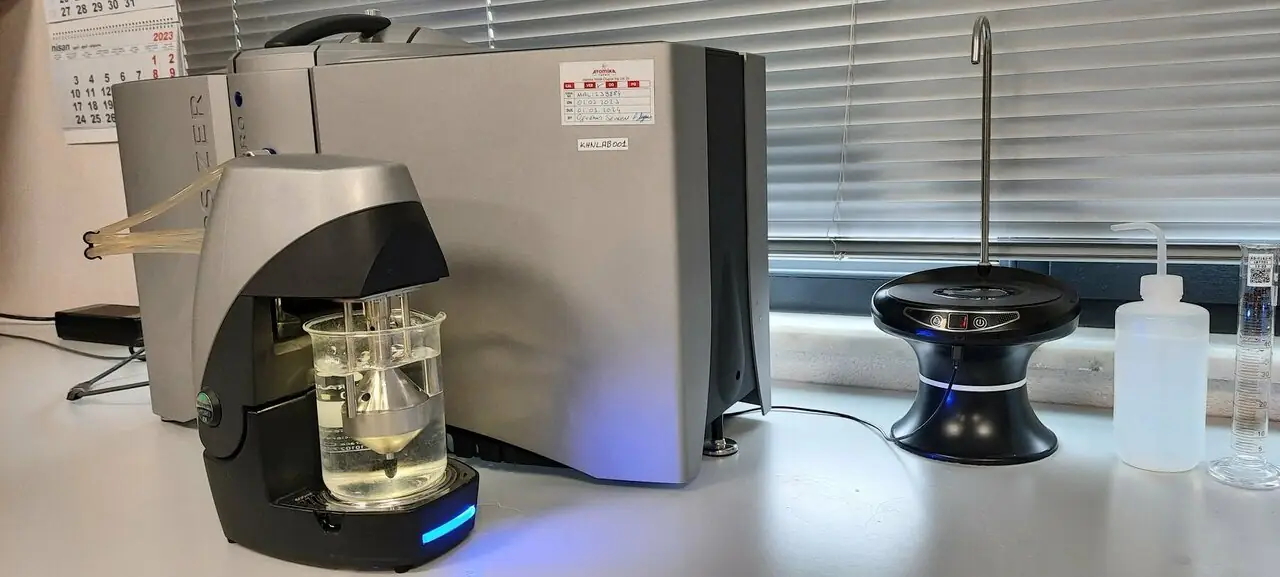
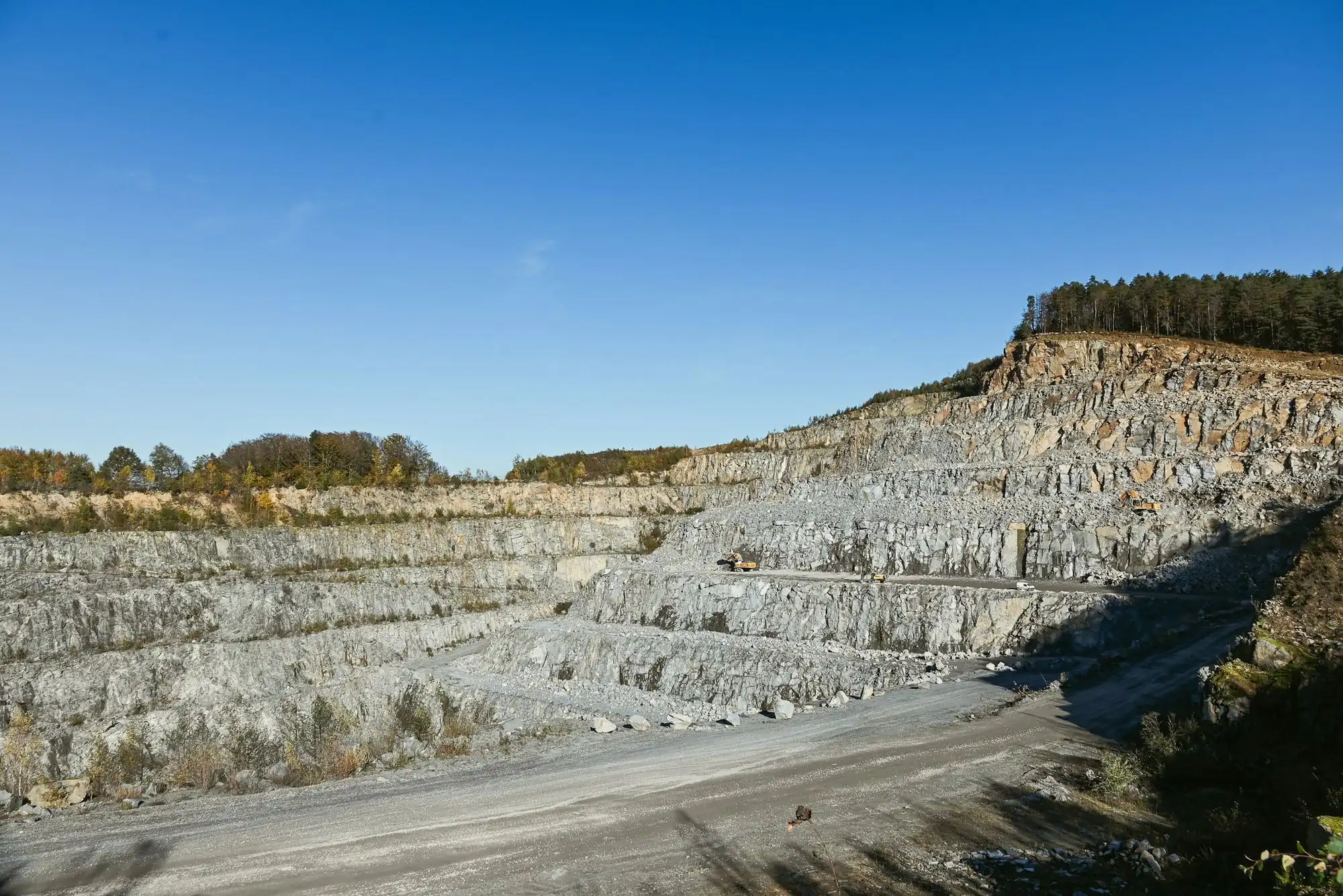
KHN Minerals mines barite at its own licensed sites in Konya and Isparta, micronizes it in Akyazı and tests it in its own laboratory. Tell us your application, grade and volumes.
- 97%typical BaSO4 in our ore
- 3barite mining licences
- 24 htarget reply time